
Why Your Pavers Are Sinking — and the Right Way to Fix Them
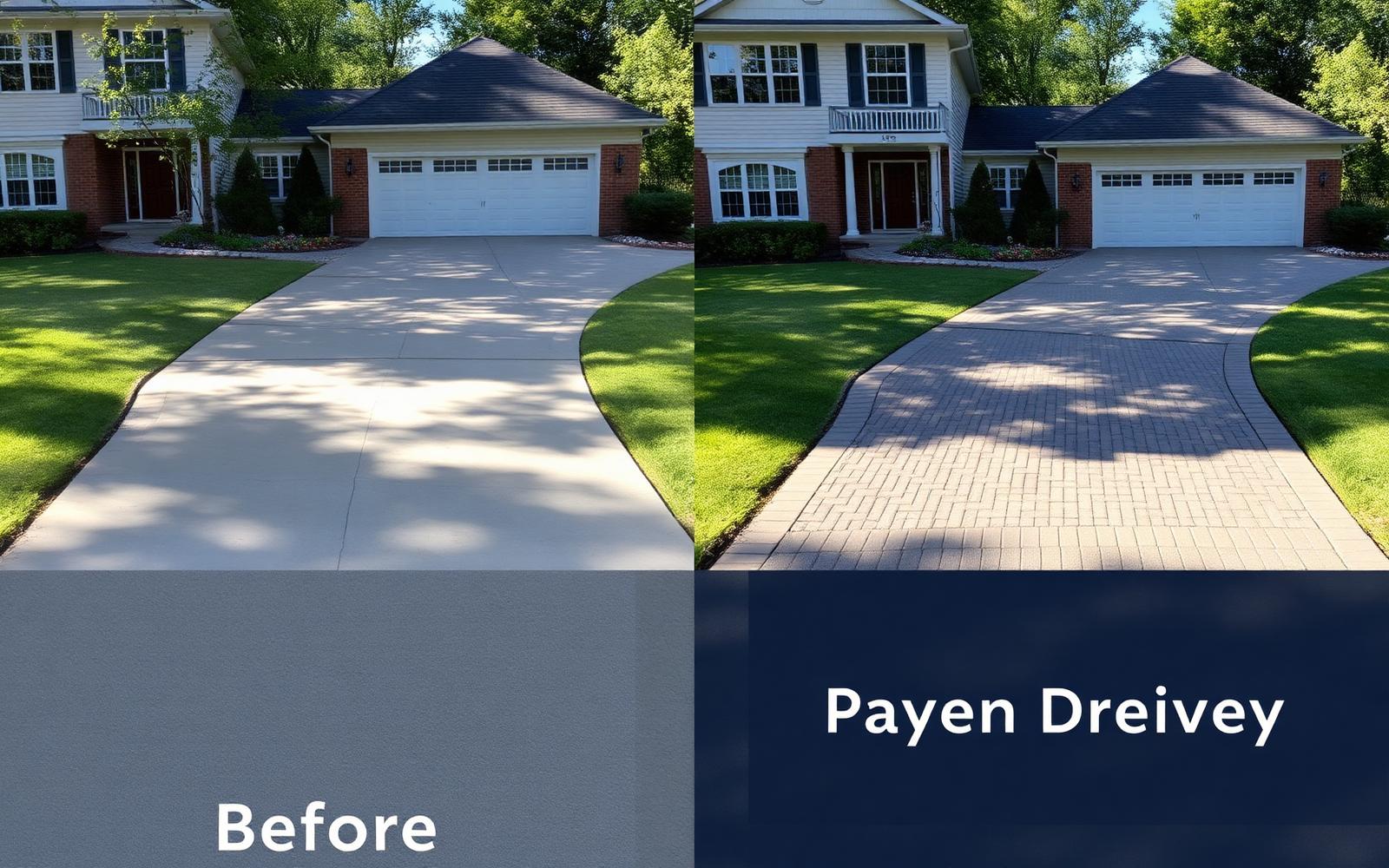
Sunken pavers are almost always a base failure, not a paver problem. Here's how a proper re-level is done — and how to prevent it on the next install.
Why pavers sink
90% of paver settlement traces back to one of three causes: insufficient base depth (under 4" of compacted crushed stone), washout under the bedding sand from a leaking irrigation line or downspout, or rolling vehicle weight on a base never compacted in lifts.
Tree roots, sinkholes, and broken pipes account for the remaining 10%. Diagnosis matters — a re-level over an active leak fails again in months.
The proper repair
Step 1: Lift the affected pavers with an extraction tool (don't pry with a screwdriver — chipped edges are forever).
Step 2: Excavate down to the base, identify and fix the underlying cause (broken sprinkler line, settled fill, washed-out base).
Step 3: Re-grade and re-compact the base in 2" lifts with a plate compactor. Cheap repair crews skip this step and the sinking comes right back.
Step 4: Reset the bedding sand to spec, replace pavers, sweep in fresh polymeric joint sand, and mist-set the joints.
Prevention on the next install
Specify a minimum 6" compacted base for driveways and 4" for patios. Demand polymeric joint sand. Insist on a continuous concrete or aluminum edge restraint. Follow up with re-sanding every 5–7 years. More on long-term paver care.
Frequently asked questions
$300–$1,500 for typical residential repairs, depending on access, area size, and whether sub-base failures need correction.
Most residential re-level jobs are completed in 1–2 days from arrival to final sweep.
Get a free quote from Bedrock.
Residential and commercial. Licensed, bonded, insured.