Paver Color Trends in South Florida for 2026
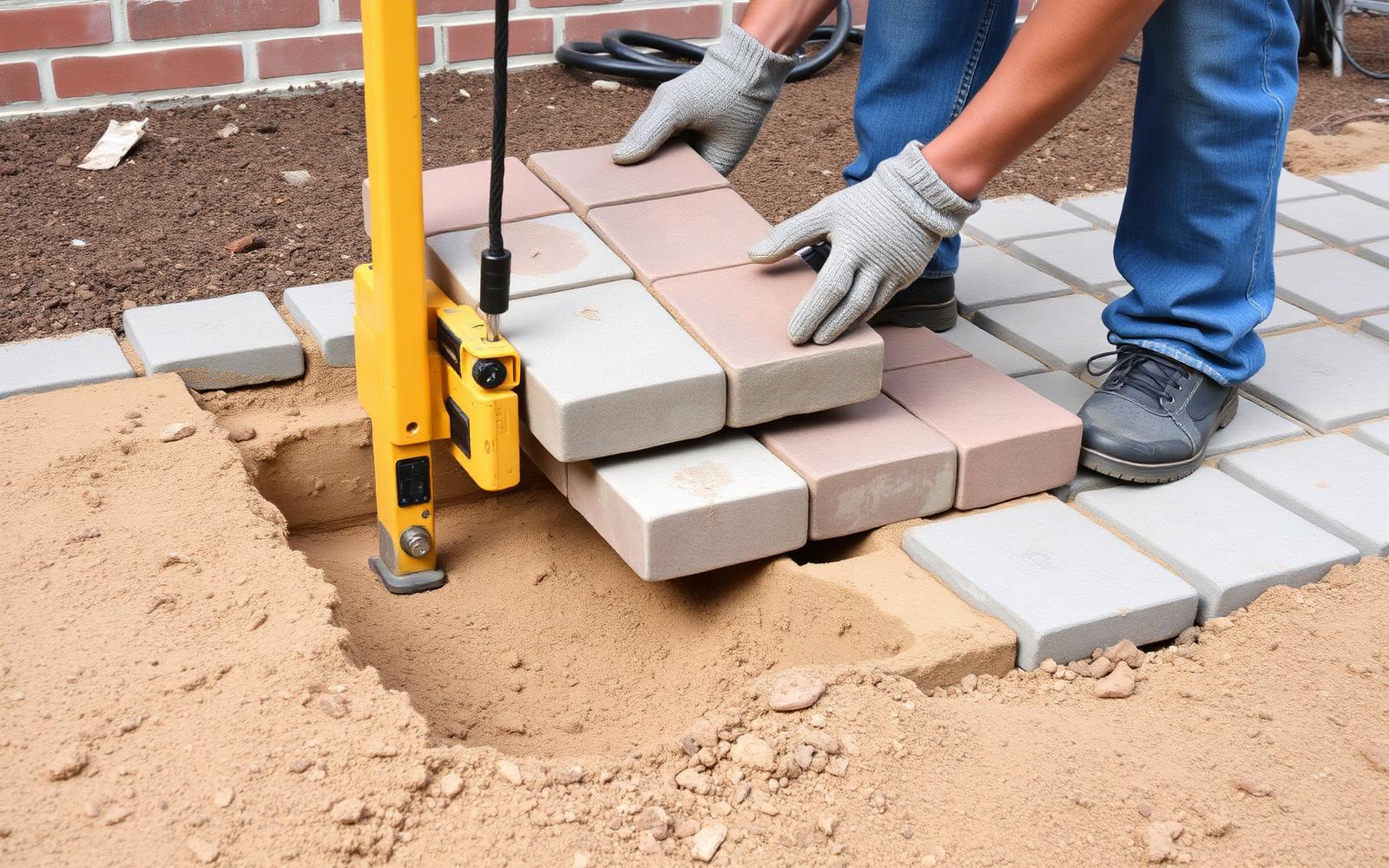
Color is the decision homeowners regret most when it goes wrong. Here is what we are installing across South Florida in 2026 and what we are quietly steering clients away from.
Color is permanent. Treat it that way.
A paver driveway lasts thirty years if you build it right. The color you pick today is the color you live with through three repaintings of the front door, two roof replacements, and a dozen rounds of landscaping. Most homeowners pick a color from a small sample square in a showroom and only see the full visual when the truck unloads. By then it is settled.
We mock up color on the actual property before any pallet ships. A two foot square of pavers in your driveway, in your sun, against your house color, is the only test that tells you the truth.
What is selling in 2026
Warm sand and oyster blends are the dominant choice for new builds and remodels in Miami Dade and Broward this year. The blend reads natural in afternoon sun, hides the inevitable tire stain better than a flat tone, and pairs with the white and warm gray exteriors that have taken over new construction.
Charcoal and graphite are surging in modern minimalist homes. They pair beautifully with white and black exteriors, especially with floor to ceiling glass. The catch is heat. Dark pavers run twenty to thirty degrees hotter than light pavers in direct sun, which matters around pool decks and front entries.
Cream travertine in French pattern continues to lead on luxury projects, particularly anything coastal. The look is timeless, the heat performance is excellent, and the resale value is rarely in question.
What we are steering clients away from
Solid red brick reads dated on most modern South Florida exteriors. It still works on craftsman or colonial homes in Coral Gables and similar neighborhoods, but on a contemporary white stucco home it fights the architecture.
High contrast black and white checkerboards photograph well and feel busy in person within a year. We do them when clients insist and they are usually the first thing the next owner replaces.
Flat single color fields in any tone show every stain, every irrigation drip, and every tire mark. A subtle blend hides imperfections without looking patchy. This is also why we usually pair lighter pavers with darker polymeric joint sand, covered in the polymeric sand guide.
Pairing color to the house
Match the paver tone to the warmest element on the front of your house. If your roof is warm clay tile, lean into warm sand and walnut blends. If your trim and roof are cool gray, lean into oyster, silver travertine, or charcoal accents.
The driveway should not match the house. It should harmonize. If the paver and the stucco are the exact same shade, the entire front of the property reads flat. A two or three step difference in tone gives the house dimension.
Borders, banding, and how to use accents
A border in a darker tone or a contrasting size frames the field and makes a small driveway look bigger. We typically use a soldier course of full sized pavers around the perimeter, sometimes in a slightly darker tone than the field.
Bandings across the field can mark a transition from driveway to walkway or carve out a parking court. Used sparingly they look intentional. Overused they look fussy. One or two transitions is usually enough on a residential project.
If the design is more elaborate, like a center medallion or a circular court, the underlying base prep work is identical to a standard driveway but cut waste runs higher. The pricing context is in the South Florida paver driveway cost guide.
Color, sealer, and how the look ages
The color you see the day of install is not the color you see in year five. Concrete pavers fade slightly under UV. Travertine deepens slightly as it absorbs sealer. Brick darkens after the first heavy rain and then stays put.
Sealer choice has a real impact. A wet look enhancing sealer deepens every color by about one shade and adds gloss. A natural finish penetrating sealer keeps the original color and stays matte. The differences between sealer types are spelled out in the Florida paver sealing guide.
How we make the final pick
We bring at least four sample blends to every consult and we lay them on the actual driveway in the actual sun. We photograph each in morning light, noon, and golden hour. The choice is almost always obvious within an hour.
If you cannot decide between two finalists, choose the one that hides dirt better. You will see your driveway dirty more often than clean, and the version that looks good unwashed is the version you will love long term.
Frequently asked questions
Close but not identical. Sun direction, surrounding landscape, and the tone of your house all shift the perceived color. Always mock up on site before ordering a full pallet.
Surface staining and color enhancing sealers can shift the tone slightly. Real color change requires removing and replacing the pavers.
Yes. We measure surface temperatures regularly and dark fields routinely hit the high one hundred and forties on July afternoons. Light fields stay in the high one hundred and twenties to low one hundred and thirties.
Get a free quote from Bedrock.
Residential and commercial. Licensed, bonded, insured.