
Driveway Aprons in South Florida: County ROW Rules & Cost
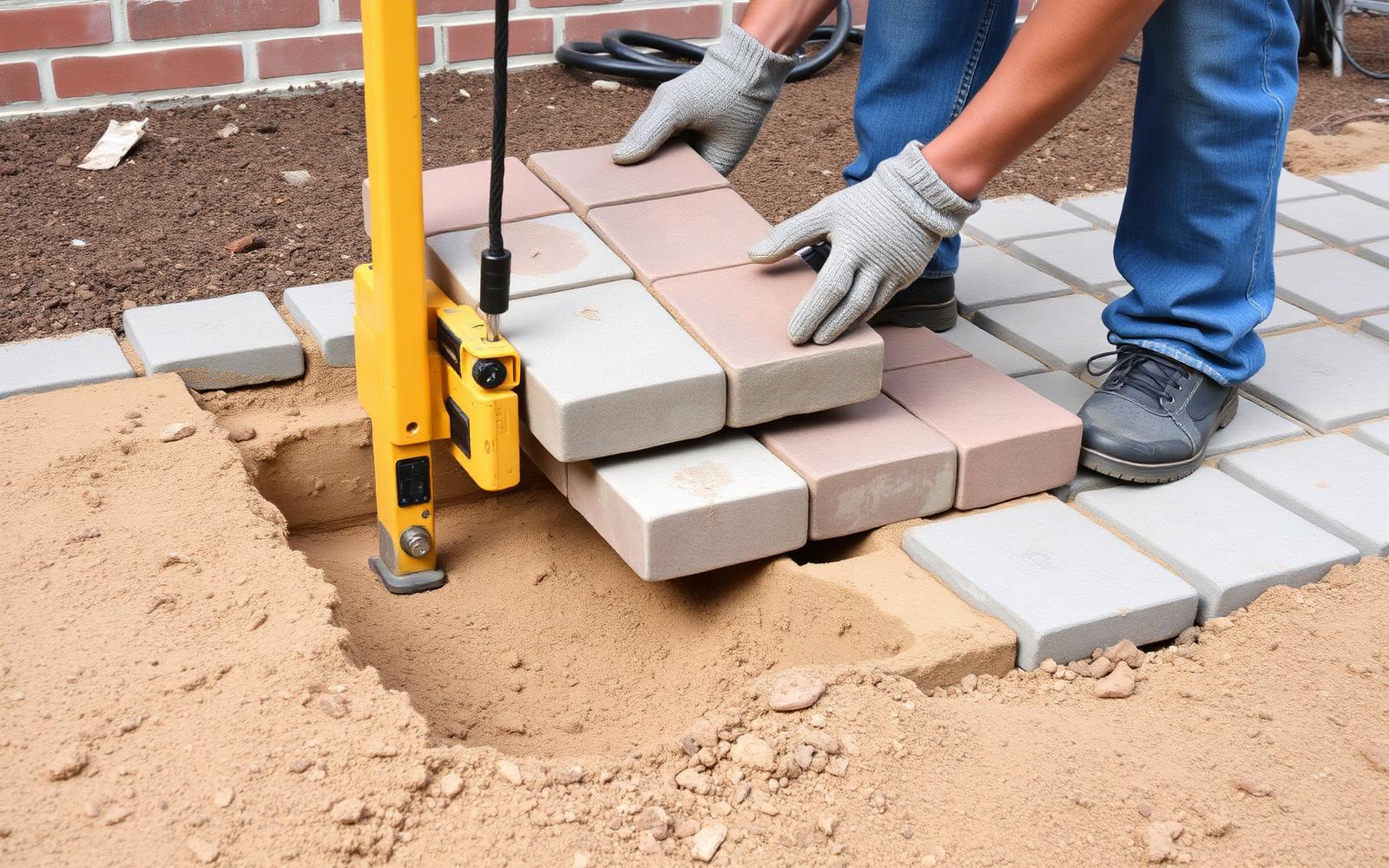
The apron between your driveway and the road sits in public right-of-way, and it has its own rules, permits, and price tag. Here is what South Florida homeowners need to know.
What the Apron Actually Is (and Why It Trips People Up)
The driveway apron is the stretch of pavement that connects your private driveway to the public road. In most South Florida neighborhoods it runs from the edge of the asphalt or curb back to your property line, often crossing a swale or sidewalk on the way. It is usually 8 to 20 feet deep depending on how far the road is set back from your lot.
Here is the part that surprises homeowners: a big chunk of that apron is not on your property. It sits in public right-of-way (ROW) owned by the county or city. You maintain it, you pay to build it, but you do not own it. That means the local public works department, not just the building department, has a say in what gets installed there.
We see this become a problem when a contractor tears out an old apron, lays beautiful pavers all the way to the curb, and never pulls a ROW permit. Six months later the homeowner gets a code letter, or worse, the county digs the whole thing up to fix a water main and is under zero obligation to put your pavers back the way they were. Knowing where your line is and who controls the apron saves you from both.
How the Rules Differ by County
Miami-Dade handles ROW work through the Department of Transportation and Public Works for unincorporated areas, while incorporated cities like Coral Gables, Miami Beach, and Doral run their own ROW permitting. A typical Miami-Dade ROW permit for a driveway connection runs $150 to $400 in fees, and the county enforces a maximum driveway width at the road. For a single-family home that is commonly 20 feet at the connection, with flare allowances beyond that.
Broward County properties inside cities like Fort Lauderdale, Pompano Beach, and Davie deal with the city engineering or public works office. Fort Lauderdale requires a ROW use permit for any work in the swale or apron, and inspectors check that you maintain positive drainage toward the swale so you are not pushing water onto the road. Permit fees here often land between $100 and $350.
Palm Beach County is strict about swale grading. The county engineering ROW division wants the swale to keep functioning as a stormwater conveyance, so they limit how much of it you can pave and often require the apron to match the existing road crown and slope. Pull the wrong grade and you fail inspection. Cities like Boca Raton and Delray Beach add their own forms on top.
Monroe County and the Keys add a wrinkle: many connections tie into State Road 1 (US-1) or other FDOT roads, which means an FDOT connection permit on top of the county sign-off. Salt exposure also pushes material choices, which we cover in our piece on coastal protection. Always confirm whether your road is county or state maintained before anyone touches the apron.
What an Apron Actually Costs
Aprons are priced by square footage and material, just like the rest of the driveway, but they carry extra cost because of the ROW permit, the drainage requirements, and the tie-in work at the road. A standard residential apron is roughly 160 to 350 square feet.
Paver apron: expect $14 to $22 per square foot installed, which puts a typical apron at $2,400 to $7,000. The range is wide because some aprons need a thicker base to handle the city garbage truck and delivery vehicles that ride over them. We build apron base heavier than the rest of the driveway for exactly that reason, and good base work is the layer that decides everything.
Concrete apron: $9 to $15 per square foot, or roughly $1,500 to $5,000. Counties sometimes require a concrete apron even when the rest of your driveway is pavers, especially where they want a hard, monolithic connection to the road. Ask before you assume your pavers can run all the way to the asphalt.
Add $150 to $400 for the ROW permit itself, plus possible survey or as-built drawing costs if the county requires them. In Palm Beach County a swale regrade can add another $500 to $1,500 if the existing grade is wrong.
Lowball Tactics That Cost You Later
The most common one: a contractor quotes the driveway but quietly stops the bid at your property line, leaving the apron out. The number looks great until you realize the ugly, cracked old apron is still there and now you need a second mobilization to fix it. Always ask the bidder to spell out exactly where their scope starts and stops at the road.
Second tactic: skipping the ROW permit to save you a few hundred dollars and shave a week off the timeline. It feels like a win until a code officer or a utility crew shows up. Permitted work in the ROW also protects you if the county digs it up, because permitted connections are documented. We pull these permits as a normal part of the job, the same way we handle building department permits.
Third: pouring or laying the apron at the wrong slope so water sheets toward your garage or pools at the curb. A cheap crew grades by eye. A real crew sets the apron to drain toward the swale and matches the road crown so the county passes it. If your bid does not mention drainage or swale grading at all, that is a flag. Our breakdown of driveway drainage rules covers why this matters across the region.
Fourth: using a base that is too thin under the apron. Pavers under your private driveway might see a couple of cars. The apron sees the same cars plus heavy municipal trucks. Thin base equals a sunken, rutted apron within a year or two.
HOA and Material Restrictions
Plenty of South Florida HOAs treat the apron as part of the streetscape and want it to match the neighborhood. Gated communities in Weston, Wellington, and parts of Coral Gables often dictate apron color and material so the street reads as uniform. Submit your material and color to the HOA architectural committee before the county permit, because some HOAs require their own approval letter.
Color matters more than people expect at the apron because it sits next to gray asphalt. A light travertine or a warm tan picks up road grime fast at the connection point, so many homeowners choose a slightly darker blend at the apron than on the rest of the drive. Our paver color trends guide gets into what is holding up well in 2026.
Some cities also restrict reflective or very light surfaces near intersections for visibility reasons. It is rare, but on a corner lot it can come up during ROW review. Your contractor should flag it before ordering material, not after.
What a Proper Apron Job Looks Like
A good apron install starts with locating your property line and confirming who owns the ROW. From there the crew pulls the ROW permit, sets the cut at the road, and excavates deep enough for a heavy base, typically 6 to 8 inches of compacted limerock under the apron versus 4 to 6 inches under a normal residential driveway.
The connection to the road gets a clean saw cut so there is no ragged transition, and the slope is set to drain toward the swale at the grade the county wants. Edge restraint along the apron sides has to be solid, because the apron takes turning loads from vehicles that spread pavers fast if the edges are weak. Weak edges are one of the quiet reasons driveways spread.
Final step is the county ROW inspection. Pass it and you have a documented, permitted apron that the neighborhood looks at every day and that protects you if utilities ever dig in front of your house. That inspection sign-off is worth more than the few hundred dollars some crews try to save you by skipping it.
Frequently asked questions
Usually yes. The apron sits in public right-of-way, so most South Florida jurisdictions require a ROW or ROW-use permit on top of any building department permit. Fees commonly run $100 to $400. In Monroe County or anywhere the apron ties into a state road like US-1, you may also need an FDOT connection permit.
For most single-family homes Miami-Dade caps the driveway width at the road connection around 20 feet, with flare allowances beyond that. Incorporated cities like Coral Gables and Doral set their own limits, so confirm with the specific city before ordering material.
It depends on the jurisdiction. Many counties and cities allow paver aprons over a heavy compacted base, but some require a concrete apron at the road connection for a monolithic tie-in. A paver apron runs about $14 to $22 per square foot installed; concrete runs about $9 to $15. Ask before you assume pavers can run to the asphalt.
You typically do, and that is exactly why a permitted apron matters. The county owns the right-of-way and is not obligated to restore decorative pavers to their original condition. A documented, permitted connection gives you far better footing if you need restoration, and it keeps you out of code violation territory.
The apron carries the ROW permit cost, needs a thicker base of 6 to 8 inches of limerock to handle municipal trucks, and requires precise slope and grade work to drain toward the swale and pass county inspection. That extra base, drainage, and permitting is why apron square footage often prices higher than the main driveway.
Get a free quote from Bedrock.
Residential and commercial. Licensed, bonded, insured.