
Paver Driveway Drainage in South Florida: Codes, Permeable Systems, and Common Failures
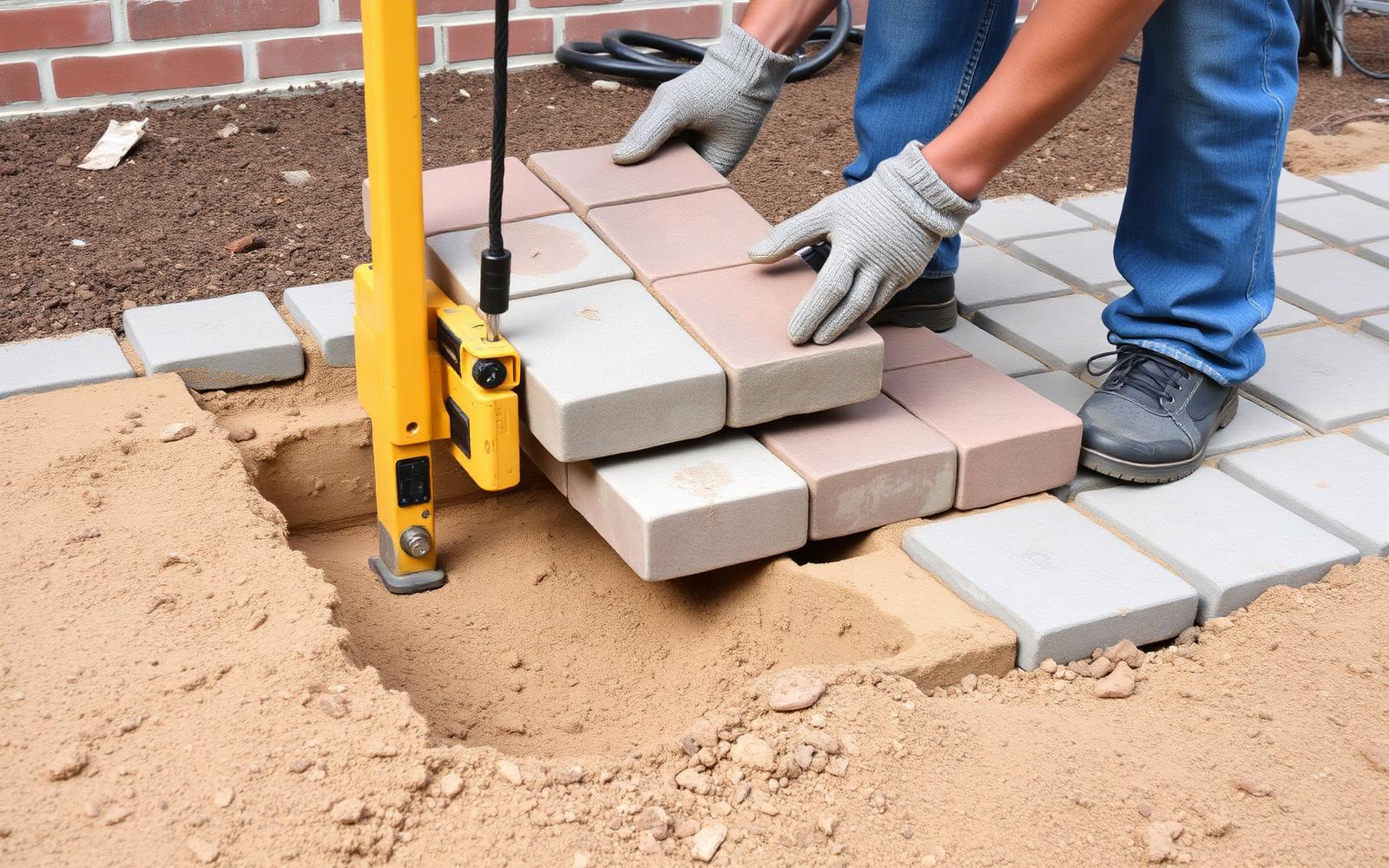
Florida drainage codes are tightening every year. Here's what permeable pavers actually do, when they're required, and what mistakes turn a new driveway into a swimming pool.
Why drainage is the #1 thing inspectors check
South Florida's water table is high, the rain comes hard, and impervious driveways push runoff into your garage, your neighbor's lot, or the street. Many municipalities now require driveways over a certain area to manage stormwater on-site.
A failed drainage design isn't a cosmetic issue — it floods garages, undermines paver bases (causing the sinking we covered above), and triggers code violations.
How permeable pavers work
Wider joints (1/4" instead of 1/16") filled with open-graded aggregate let rainwater pass through into a 6–12" gravel reservoir under the pavers. Water then percolates into the soil or drains slowly to a designed outlet.
Permeable systems can absorb 5+ inches of rainfall per hour. That's more than any normal South Florida storm produces. In trade, the base prep is more involved — and slightly more expensive. See pricing impact.
Common drainage failures
Driveway sloped toward the garage instead of away. Rookie mistake; floods the garage in the first big rain.
Downspouts dumping onto the driveway surface. They wash out joint sand and undermine the bedding layer over time.
No edge restraint on the low side. Pavers spread, joints open, and the whole edge fails within 2 years.
Frequently asked questions
Required only when total impervious area on the lot exceeds set thresholds — usually for larger driveways or lots with limited green space. We confirm requirements during the permit pull on every project.
Yes, slowly. A pressure wash and re-fill of the open-graded joint stone every 3–5 years restores full permeability.
Get a free quote from Bedrock.
Residential and commercial. Licensed, bonded, insured.