
Paver Driveway Maintenance Schedule for South Florida
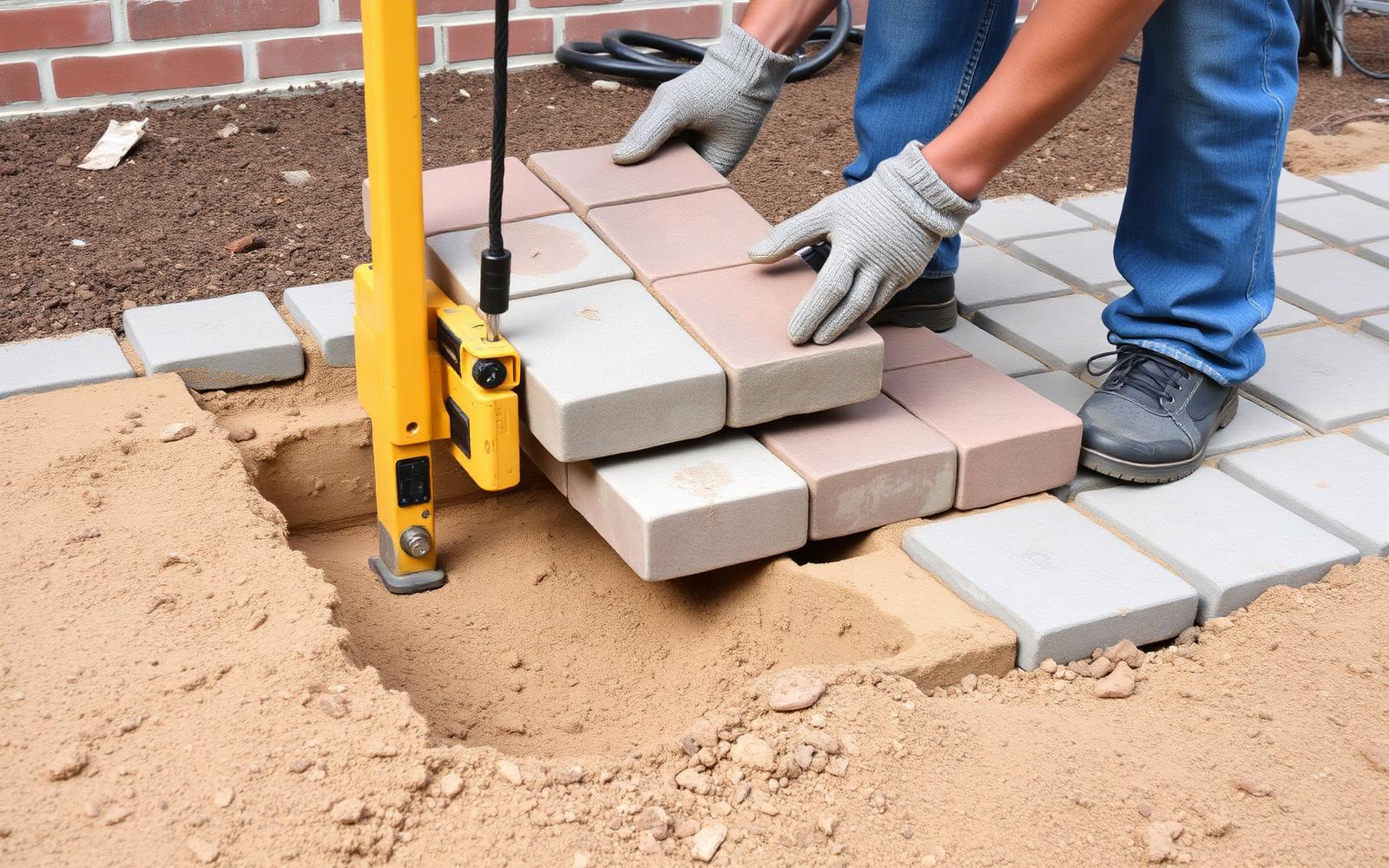
Month-by-month and year-by-year — exactly what to do (and skip) to keep a paver driveway looking new for 30 years in Florida.
Monthly (5 minutes)
Blow off leaves and debris with a leaf blower. Decomposing organics are the #1 cause of staining and weed growth in paver joints. Skip the pressure washer — high PSI blasts out joint sand.
Spot-treat oil drips immediately with cat litter or a dedicated paver degreaser. Fresh oil lifts easily; oil that's sat for weeks needs a poultice and may permanently darken a stone.
Annually
Inspect joints. Top off polymeric sand wherever it's settled more than 1/4". Hand-sweep, mist, repeat per product instructions. Polymeric vs. regular sand.
Walk the perimeter and check the edge restraint. Florida sun degrades plastic restraints — replace any cracked sections before pavers start migrating.
Soft-wash (not pressure-wash) with a paver-safe cleaner. Bleach kills mildew but strips sealer; pick one or the other.
Every 3–5 years
Re-seal. Penetrating sealer every 3 years for travertine; film-forming sealer every 4–5 years for concrete pavers. Apply only in dry, low-humidity weather. Florida sealing guide.
Re-level any settled sections. Catching one shifted paver early prevents the surrounding joint sand from washing out and creating a cascading failure.
Frequently asked questions
Avoid pressure washing entirely if possible. Use a soft-wash chemical clean instead. If you must pressure wash, use 1500 PSI max with a fan tip and plan to re-sand the joints after.
Properly installed polymeric sand. Once joints are sealed there's no soil for weeds to root. Spot treat the few that appear with a paver-safe herbicide.
Yes, but expect more staining, faster fading, and shorter joint sand life. Sealing is optional; it's an aesthetic and protection choice, not structural.
Get a free quote from Bedrock.
Residential and commercial. Licensed, bonded, insured.