
Paver Edge Restraint Failures: The Quiet Reason Driveways Spread
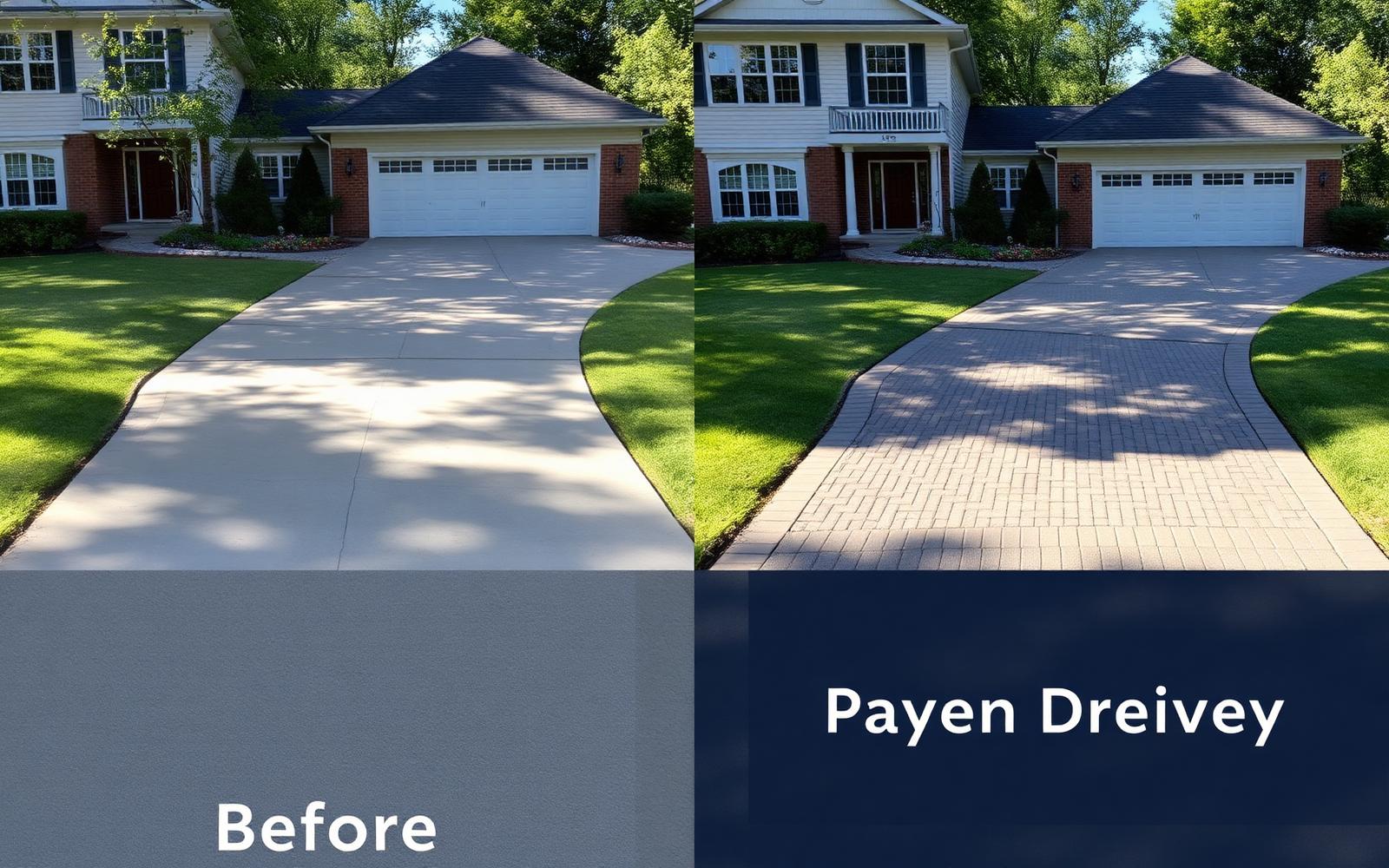
Edge restraint is the cheapest part of a paver driveway and the part that quietly fails on every cheap install. Here is what it does, why it fails, and how to spot the warning signs.
What edge restraint actually does
Pavers are a flexible system. The bedding sand cushions them, the joint sand locks them together, and the field acts almost like a single sheet that can shift slightly with the ground beneath. The only thing keeping that sheet from spreading at the open edges is the edge restraint.
Without restraint, every car turning into the driveway pushes the outermost paver outward by a fraction of a millimeter. Multiply that by a thousand entries a year and the field spreads, the joints open, the polymeric sand washes out, and the failure cascades inward from the perimeter.
Three types of restraint we install
Plastic snap edge is the standard for residential driveways. A flexible profile spiked into the bedding sand and base, hidden under the soil and grass line. Done correctly it lasts as long as the pavers above it.
Concrete toe beam is the heavier option. A poured concrete band around the perimeter, set below grade, that physically locks the paver field. We use it on commercial projects, on driveways with heavy delivery truck traffic, and around circular drives where lateral force is highest.
Steel and aluminum edge are used on architectural projects where a visible metal line is part of the design. They cost more and require more careful base prep, but they last and they look intentional rather than utilitarian.
Why cheap installers skip it
Edge restraint adds materials and labor that the homeowner cannot see the day of install. A cheap quote sometimes simply omits it, or installs a thin plastic strip with too few spikes. The driveway looks identical at completion. Within two years the first edge pavers begin to creep outward and the field starts to fail.
When we get called to repair a spreading driveway, the diagnosis usually takes thirty seconds. Lift a corner paver, look for the restraint, and confirm it is missing or under spiked. The fix is full re leveling of the affected edges plus retroactive restraint, which costs three to ten times what it would have cost to do correctly the first time.
How to spot the warning signs early
Walk the perimeter of your driveway twice a year. Look for joints that have visibly opened along the edge by more than a credit card width. Look for grass or weeds creeping under the outer pavers. Look for any paver that sits a quarter inch or more below the field.
Catching the failure early means restraint plus a small re level. Catching it late means lifting and re setting fifteen to forty pavers and rebuilding the bedding sand layer. The repair process for sunken pavers is detailed in fixing a sunken paver driveway.
Restraint and the joint system together
Restraint and joint sand work together. The restraint holds the perimeter, the polymeric sand holds the interior joints, and the system acts as a single unit. If the joints fail, the field starts to load the restraint differently and the restraint itself can fatigue.
We always recommend a full restraint check at the same time as a polymeric sand refresh. The two maintenance items belong together. The full sand maintenance routine is covered in the polymeric sand guide.
The cost difference
Plastic snap edge restraint adds about a dollar per linear foot of perimeter to a paver project. On a typical seven hundred square foot driveway that is one hundred to one hundred and fifty dollars in materials and labor.
Concrete toe beam adds three to six dollars per linear foot. Steel or aluminum runs eight to fifteen dollars per linear foot depending on the profile. None of these numbers should change whether you can afford a paver driveway. They should be in every quote you compare.
What to ask before you sign
Ask the contractor to specify the brand and type of edge restraint, the spike length and spacing, and how it integrates with adjacent landscape. A contractor who answers fluently has done this many times. A contractor who waves the question off is the contractor who is going to skip it.
Combined with proper base depth, polymeric joint sand, and the right sealer schedule, edge restraint is what turns a paver driveway from a five year cosmetic into a thirty year asset. The other pieces of that long term picture are in the Florida driveway base prep guide.
Frequently asked questions
Yes, though it is more invasive than installing it the first time. We typically lift the outer two rows of pavers, set the restraint into the bedding sand and base, then reset the pavers and re sand the joints.
Quality brands like Pave Edge and Snap Edge are UV stabilized and last twenty plus years. Bargain brands degrade faster. We specify the heavy commercial grade product on every job.
Plastic edge restraint goes in below the visible grade line and is buried under topsoil or mulch. The flowerbed never sees it.
Get a free quote from Bedrock.
Residential and commercial. Licensed, bonded, insured.