
Salt Air and Coastal Driveways: Protecting Pavers and Concrete Near the Ocean
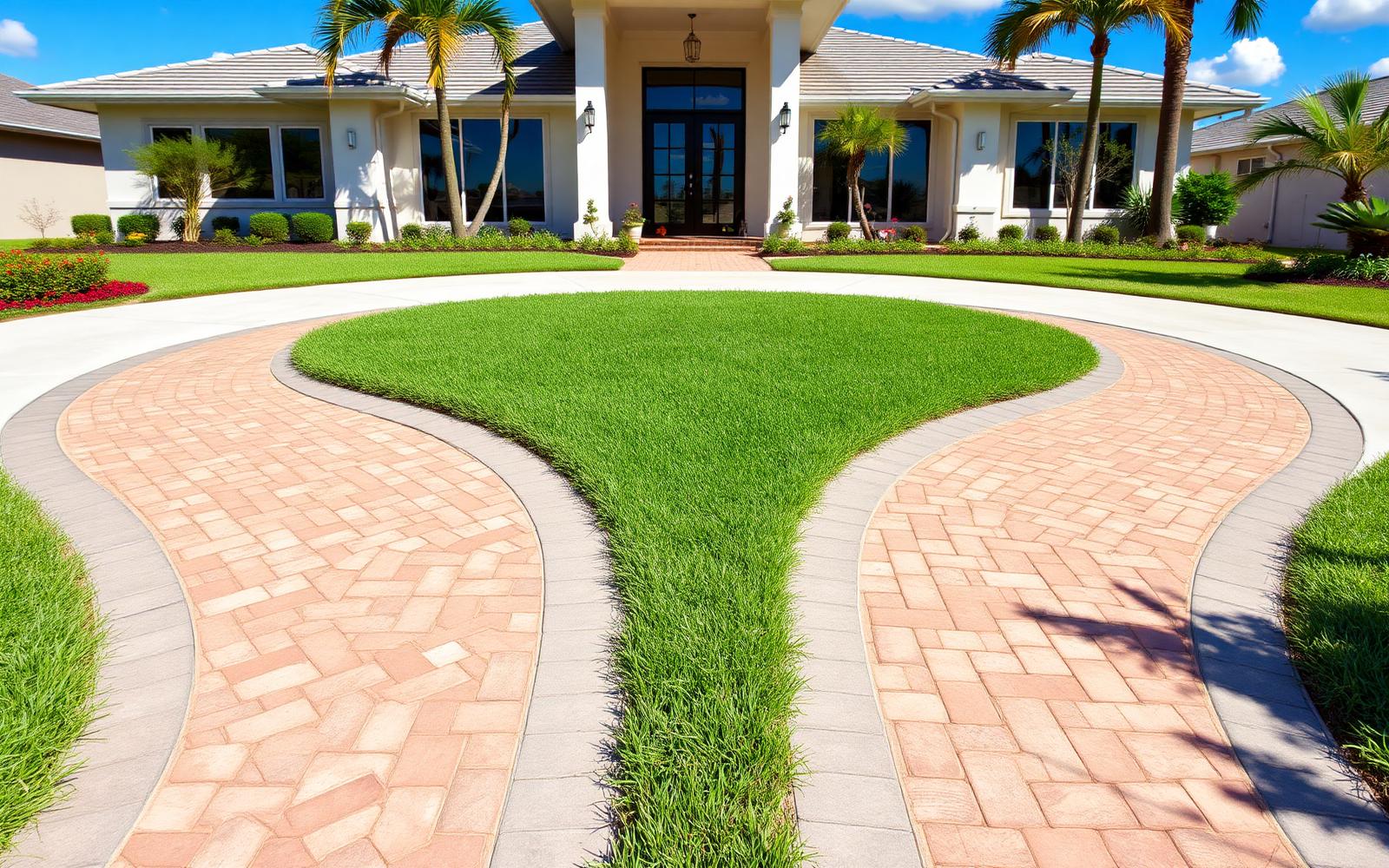
Coastal homes look incredible and punish hardscape relentlessly. Here is how we spec and seal driveways that have to live with daily salt spray.
What salt air actually does to a driveway
Salt does not just sit on the surface and look pretty. It penetrates porous materials, draws moisture, and crystallizes inside the pores. Each crystallization cycle expands and contracts, fatiguing the material from the inside. On concrete this looks like surface scaling. On natural stone it looks like flaking and color loss. On pavers it shows up as accelerated joint failure.
If your home is within a quarter mile of the ocean, salt is a daily input on every horizontal surface. Even further inland, easterly winds carry measurable salt during summer and storm season. Coastal projects need a different specification than inland projects.
Material choices that handle salt
Concrete pavers from premium manufacturers handle coastal exposure well when properly sealed. The cement matrix is dense and the surface can be re sealed on schedule.
Travertine handles salt reasonably well in ivory and silver tones. The pores are larger than concrete, which means sealer matters more. We use sealers specifically rated for marine environments.
Marble in coastal exposure is a riskier choice. The polished surface dulls faster, the etching from salt residue is more visible, and the maintenance cycle is shorter. We sometimes steer coastal clients toward travertine instead.
Poured concrete in coastal exposure scales over time without aggressive sealing. We specify a higher cement content, a fiber reinforced mix, and a penetrating siloxane sealer on coastal concrete projects.
Sealer strategy for coastal
Inland we typically re seal pavers every three to five years. Coastal projects move to a two to three year cycle. We use penetrating siloxane or silane based sealers that bond into the stone or concrete rather than sitting on top, because surface films on coastal driveways break down faster under UV plus salt.
On natural stone we add an enhancing sealer over the penetrating base coat to lock the color and add a slight wet look. The full sealer comparison is in the Florida paver sealing guide.
Joint sand near salt water
Standard polymeric sand is rated for general residential use. Around salt water pools and on direct ocean exposure properties we use polymeric blends rated for marine environments, which carry a more durable polymer system that resists salt breakdown.
On very tight joint installations we sometimes use a fine cement based grout joint instead of polymeric. This is more common around saltwater pool decks than driveways. The full sand decision tree is in the polymeric sand guide.
Daily and weekly habits that protect the surface
Rinse the driveway with fresh water after any storm with significant onshore wind. A garden hose pass takes ten minutes and removes the day of salt deposit before it has time to penetrate.
Avoid parking on the driveway during the peak afternoon sun on summer days when possible. Hot tires plus salt residue accelerate any minor surface staining.
Walk the field twice a year and look for any sign of joint loss, surface scaling, or paver edge chipping. Coastal failures progress faster, so catching them early matters more.
Hurricane prep for hardscape
Before a named storm we recommend rinsing the driveway, securing any landscape lighting attached to the field, and removing patio furniture. After the storm we rinse with fresh water within forty eight hours to flush salt deposits before they cure into the surface.
If your driveway took standing salt water during a storm surge, schedule a full assessment afterward. Submersion is a different exposure level than spray and may require an early re seal. The full hurricane recovery process is in the hurricane damage driveway repair guide.
Cost adders for coastal projects
Coastal specification driveways cost roughly five to fifteen percent more than equivalent inland projects, mostly in upgraded sealer and fastener materials. The added cost pays back many times over across the service life of the driveway.
If you are weighing pavers versus concrete on a coastal lot, pavers usually win. Salt damage on concrete tends to be cosmetic and slowly progressive across the entire slab, while damage on a paver field is localized to individual stones that can be lifted and replaced. The full comparison is in pavers versus concrete in Florida.
Frequently asked questions
Within roughly half a mile of an unobstructed ocean face we treat the project as full coastal. Within a couple of miles we recommend coastal sealer products even if other specs match inland.
Usually yes on the paver itself. The differences are in sealer, joint sand, and re sealing frequency.
Most paver manufacturers warrant the product against material defects, not environmental wear. Following the recommended sealer cycle keeps the warranty intact and keeps the field looking new.
Get a free quote from Bedrock.
Residential and commercial. Licensed, bonded, insured.