
Florida Paver Permits Explained: What Cities Require and How We Pull Them
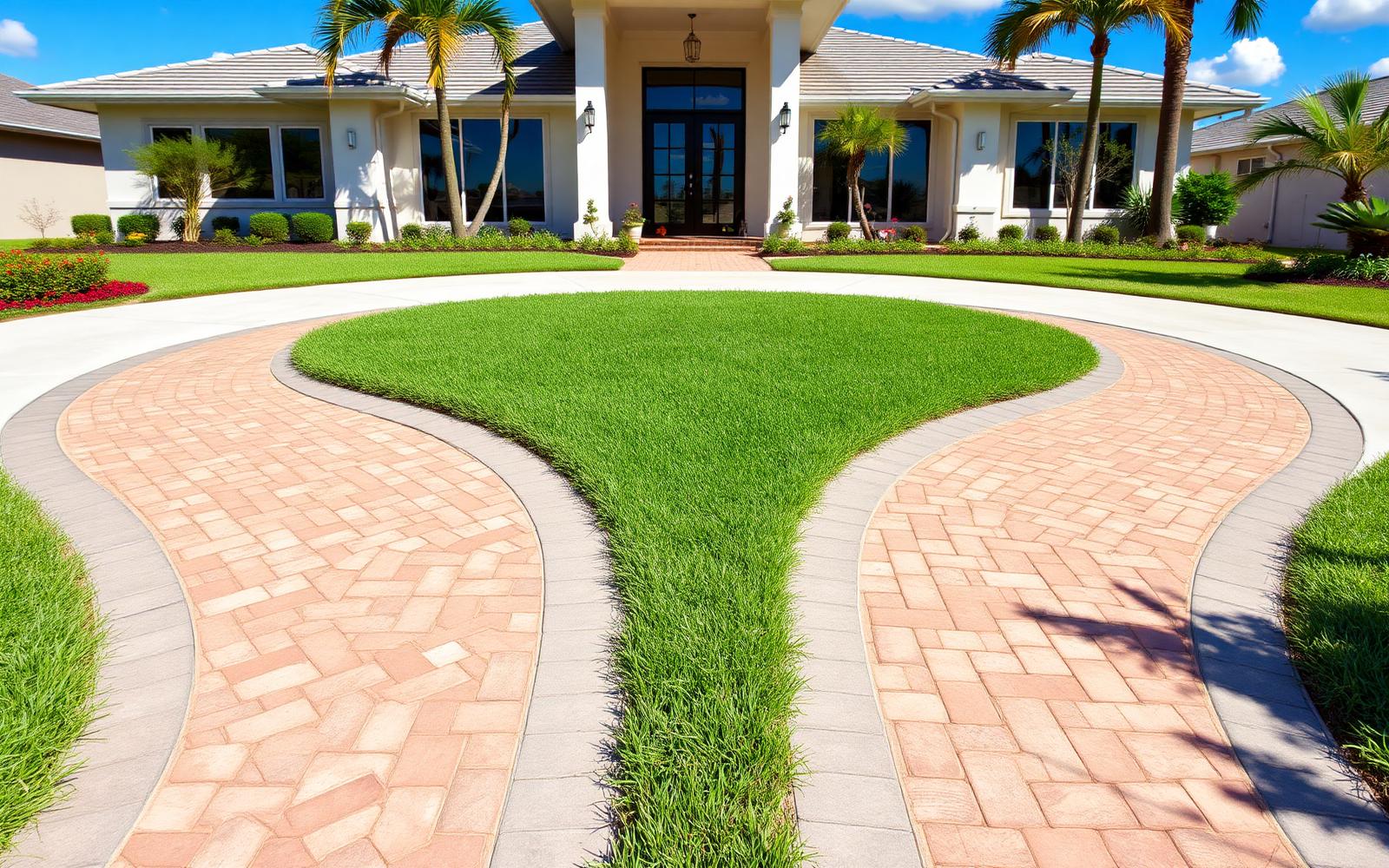
Almost every paver and concrete driveway project in South Florida requires a permit. Here is what that means, how long it takes, and what happens if you skip it.
Why permits exist for driveways
Driveways look like simple cosmetic projects from the homeowner side. From the city side they affect impervious area calculations, stormwater management, setbacks from property lines, and access to the public right of way. Every one of those touches a code that the building department enforces.
Skipping the permit creates exposure that lasts as long as you own the home. Title companies catch unpermitted work during sale closings, insurers can deny claims tied to unpermitted features, and the city can require removal at any point.
Who needs a permit and who does not
In Miami Dade, Broward, and Palm Beach counties, almost any new or replacement driveway over a small threshold requires a permit. Common exemptions include like for like pavement repairs under a few hundred square feet and minor patio additions on the back of the property. Each municipality sets its own thresholds.
If you are unsure, the city building department will tell you in five minutes. We pull permits on every job we do, which removes that question from the homeowner entirely.
What the permit application includes
A typical residential paver driveway permit includes a site plan showing existing and proposed conditions, an impervious area calculation, a drainage plan, photos of the existing driveway, and contractor licensing information.
Larger projects, especially those affecting drainage on neighboring lots, may require a signed and sealed engineering drawing. We have engineers on call when projects need that level of documentation.
Timeline from application to first compactor pass
Most South Florida residential paver permits are issued within five to ten business days of a complete application. Larger projects with drainage review can take three to six weeks. We submit electronically the same day a contract is signed and we follow up daily.
Inspections happen at two points: after base prep and after final paver install. Both inspections add a day or two of buffer to the schedule. We coordinate them tightly so the project does not stall.
HOA review on top of city review
Most South Florida communities with an active HOA require architectural review for driveway projects. The HOA review is independent of the city permit and runs in parallel. Approval typically requires a color rendering, paver sample, and dimensional drawing.
HOA review timelines vary wildly. Some boards turn around in a week and some take two months. We build the HOA timeline into the project schedule and we have packets ready for the most common South Florida communities.
Impervious area and stormwater rules
Most municipalities cap the percentage of a residential lot that can be covered by impervious surface. Houses, driveways, walkways, and pool decks all count. If your project pushes you over the cap, you have three options: reduce the project size, demolish equivalent existing impervious area, or switch to permeable pavers that count as pervious.
Permeable pavers are often the cleanest fix. The pricing impact is in the South Florida paver driveway cost guide and the engineering is in the Florida driveway drainage guide.
What happens if you skip the permit
Best case, nothing happens for years and the issue surfaces during a future home sale, where the buyer requires resolution before closing. Resolution can mean retroactive permitting, which usually requires bringing the work up to current code, sometimes by partial removal and rebuilding.
Worst case, a neighbor or city inspector flags the project during construction, the city issues a stop work order, fines accrue daily, and you are paying for both the legal fees and the corrective work.
On every Bedrock project we pull the permit, post it on site, schedule the inspections, and close the permit out at completion. Closing the permit is what creates the clean record that protects the homeowner long term.
Frequently asked questions
Usually yes if the area is over the local threshold. Like for like work has lighter review but is rarely fully exempt in South Florida.
Seventy five to three hundred dollars for residential paver driveway permits in most South Florida municipalities. Commercial projects run higher.
Yes in most jurisdictions. We almost always recommend the contractor pull it because the contractor is the one ultimately responsible for the work passing inspection.
Get a free quote from Bedrock.
Residential and commercial. Licensed, bonded, insured.