
Pool Deck Pavers in Florida: Materials, Heat, Slip, and What Lasts
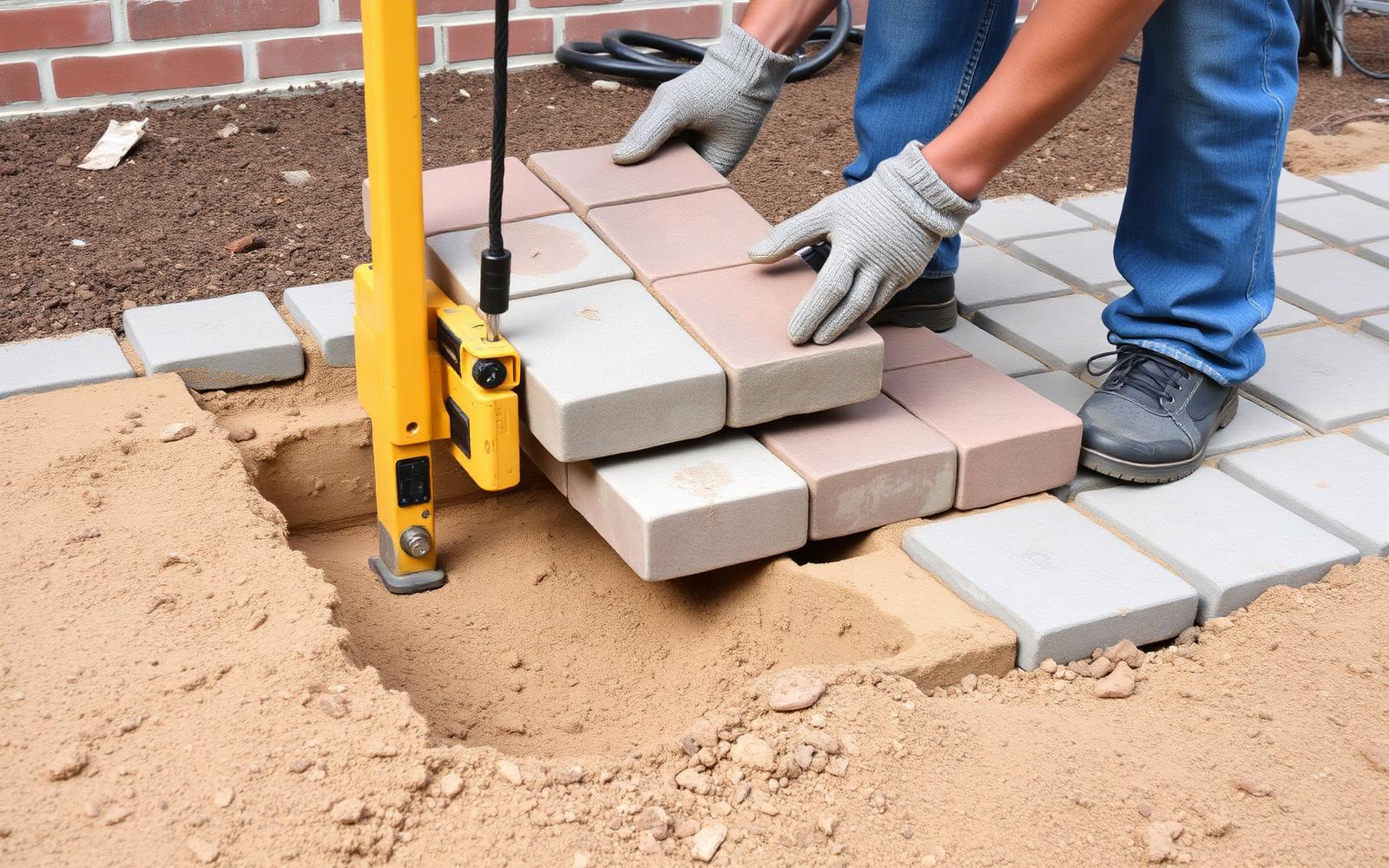
A pool deck takes more abuse than any other paved area on a Florida property. Here is how we pick a stone, a pattern, and a sealer that actually survive year round in the sun.
What a pool deck has to survive
Florida pool decks live through chlorine splash, salt spray on coastal homes, full overhead sun for half the year, hurricane wind driven rain, sunscreen drips, dropped wine glasses, and bare feet that demand a surface that will not burn. No other paved area on a property gets all of that at once.
We see more pool deck failures than driveway failures. Most of them trace back to either the wrong stone for the climate or a base that was not built to drain. Both problems are avoidable when the project is planned correctly.
Travertine, the default for a reason
Travertine is the most installed pool deck stone in South Florida and it deserves the position. The natural pores keep the surface dramatically cooler than concrete or marble in the sun, the texture provides slip resistance even when wet, and the warm color range pairs with almost any home style.
On pool decks we usually specify a one and a quarter inch French pattern in either ivory or silver, with a brushed and chiseled edge for grip. We seal with a breathable enhancing sealer that deepens the natural color slightly and locks out chlorine. For more on stone selection logic, see travertine versus marble pavers.
Concrete pavers and the cool deck options
Premium concrete pavers from Belgard, Tremron, and Oldcastle now offer cool deck variants that reflect more solar heat than standard concrete. They are a smart pick on a budget, and the color range is enormous. Expect to pay twelve to eighteen dollars per square foot installed, versus twenty plus for travertine.
Stay away from rough textured concrete pavers on a pool deck. They look great in catalog photos and shred wet feet in real life. Smooth or lightly textured wins every time around water. The full cool surface comparison is in cooler driveway and deck options.
Drainage is the silent killer
A pool deck has to drain away from the pool coping, away from the house, and toward an intentional point. We slope at a quarter inch per foot and we plan for splash out from the pool itself plus afternoon thunderstorm runoff. Without that slope, water pools at the coping, the joints fail, and the bedding sand washes into the pool skimmer.
On large decks we incorporate linear drains across the high traffic zones to handle storm volume. The cost adds eight hundred to two thousand dollars to a typical project and saves a base failure that would cost five times that to repair. The mechanics are similar to driveway drainage logic, covered in paver driveway drainage in South Florida.
Salt water pools and the chemistry problem
Salt water systems are gentler on swimmers and harder on stone. The constant low level salt spray pulls minerals out of any natural limestone over time. With travertine we use a salt rated penetrating sealer and we re seal on a slightly faster cycle, every eighteen months instead of every two to three years.
Polymeric joint sand around a salt water pool can also fail faster than around a chlorine pool. We sometimes specify a polymeric blend rated specifically for salt environments, or switch to a fine grout joint on tightly fit travertine. The sealing strategy is detailed in the Florida paver sealing guide.
Pattern, color, and the visual that lasts
French pattern in ivory or silver travertine is the safe luxury default. It mixes four sizes in a repeating block, hides any single chipped stone, and reads as classic without trying too hard. Running bond in a single size reads more modern and is easier to repair. Herringbone reads more formal and looks great with a strong border.
Stick with one stone family across the deck and the surrounding hardscape. Switching textures every ten feet looks busy in person even if the renderings looked balanced. We mock up the field with sample stones on the actual deck before we cut anything.
Cost and timeline in 2026
A typical six hundred square foot travertine pool deck in South Florida runs twelve thousand to eighteen thousand dollars installed, including base prep, drainage, joint sand, and sealing. Concrete paver decks at the same size run seven thousand to twelve thousand. Tear out of an old deck adds three to six dollars per square foot.
Install timeline runs five to nine working days for a residential deck, weather permitting. We schedule pool drain down or coping work in coordination with your pool service so the project does not stretch.
Frequently asked questions
In ivory or silver, yes, as long as it is sealed with a breathable sealer that does not glaze the surface. Walnut and noce travertine absorb more heat and we usually steer clients toward the lighter tones for bare foot comfort.
Sometimes, if the underlying slab is sound and the elevations work. We assess the existing deck first. Many overlays end up costing as much as a full replacement once you account for the height changes around coping and doors.
Foot traffic on the deck in twenty four hours, full pool use in forty eight to seventy two hours after the joint sand is fully cured.
Get a free quote from Bedrock.
Residential and commercial. Licensed, bonded, insured.