
Weeds in Paver Joints: Why They Show Up and How to Stop Them For Good
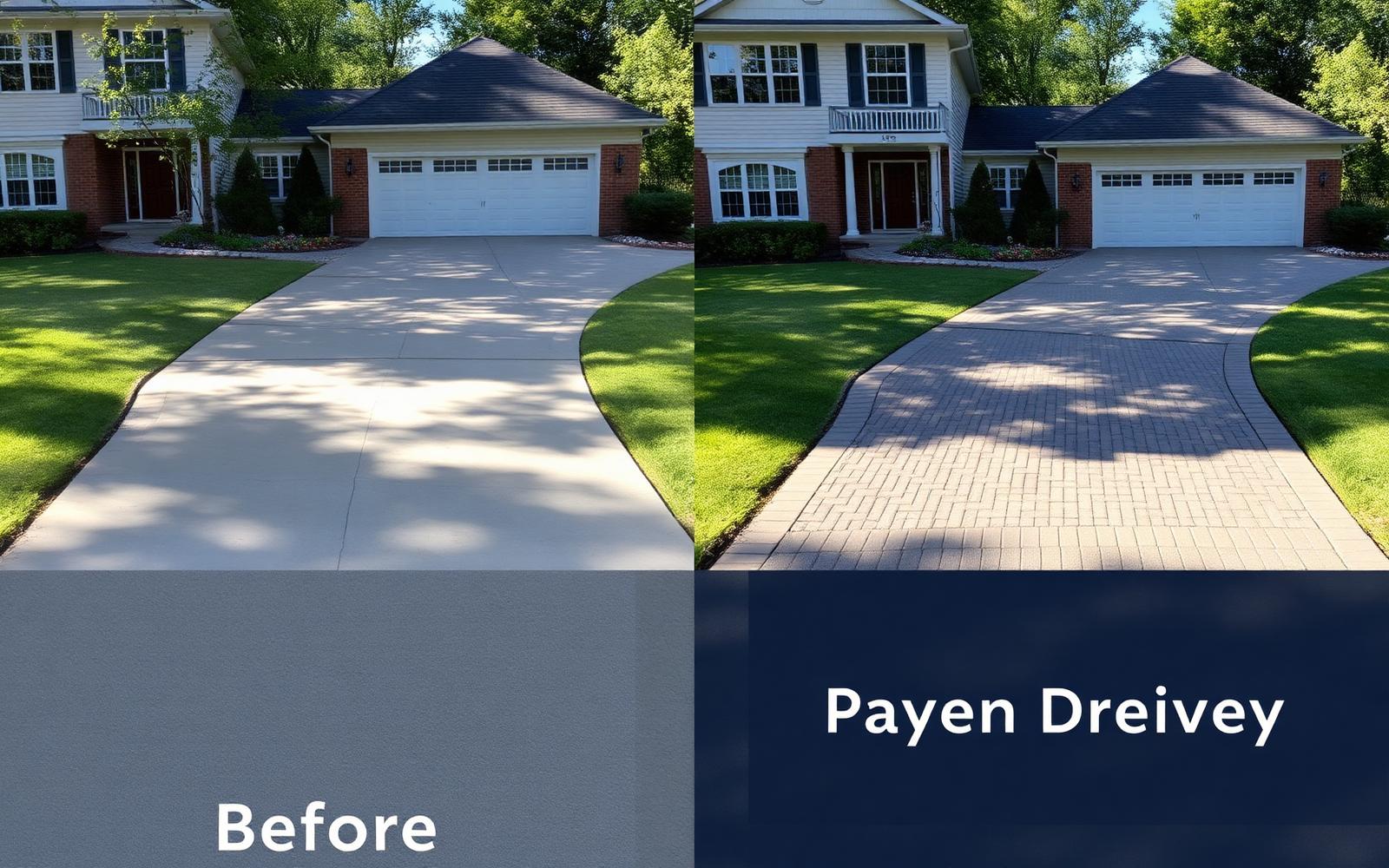
Weeds in paver joints are a sign of failed joint sand, not a moss problem. Here is the maintenance routine that actually keeps your driveway clean.
Where the weeds actually come from
Most homeowners assume weeds grow up from underneath the pavers. They almost never do. Weeds grow from seeds that land on top of the field, blow into the joints, and germinate in the small pocket of dust and organic matter sitting on top of failed joint sand.
If your joints are full of properly cured polymeric sand, there is no soil for the seed to root into. If the sand is gone or never was the right product, the joints become a long thin planter box and weeds take over fast.
The cheap original mistake
Plain silica sand washes out of joints within months in South Florida rain. Without polymeric binder, dirt and seeds settle in, and weeds appear within a year. The full sand comparison is in the polymeric sand guide.
If the original installer used silica sand, the weed problem will recur every year regardless of how many times you spray it. The fix is replacing the joint sand, not chasing the symptoms.
Step one: kill what is there
Before re sanding, the existing weeds need to be killed and removed. We use a vinegar based herbicide or a glyphosate alternative for chemical kill, then mechanical removal of the dead plant material with a stiff brush or a joint cleaning blade.
Pulling weeds without a kill step often leaves roots in the joint, which sprout again from the same spot. Take the time to kill first, remove second.
Step two: re sand the joints properly
After the joints are clean and dry, sweep in fresh polymeric sand, work it down with a vibrating plate compactor, top off the joints, then mist activate per the manufacturer instructions. Cure time is forty eight to seventy two hours before water exposure.
Done correctly, the sand becomes a flexible solid that locks out wind blown seeds and prevents root development. The joints stay clean for years.
Step three: maintain the field
Walk the driveway twice a year and look for any joint that is starting to lose sand. Catch it early and a small spot refresh handles it. Catch it late and the surrounding joints have already started failing too.
Pressure wash the driveway annually but never with a turbo nozzle and always with the wand angled along the joints, not across them. The full pressure washing playbook is in the pressure washing guide.
Pre emergent herbicide as backup
A pre emergent herbicide applied along the driveway perimeter twice a year prevents seeds from germinating before they have a chance to root. We use a granular product designed for hardscapes that does not stain pavers.
Pre emergent is a backup, not the main system. The main system is intact polymeric joint sand. Pre emergent without proper joint sand is a band aid that needs reapplication every few months.
When to call for help
If your driveway has weeds in more than a third of the joints, the sand has likely failed across the field and a full re sanding is the cleanest answer. If individual pavers are also rocking or sunken, the bedding sand under those stones has also migrated and the repair is more involved. The repair walkthrough is in fixing a sunken paver driveway.
A full driveway re sand on a typical seven hundred square foot driveway runs eight hundred to fifteen hundred dollars in 2026 South Florida. It is one of the highest leverage maintenance items you can pay for.
Frequently asked questions
Salt kills weeds and also kills the polymeric binder, the surrounding lawn, and the soil microbiome. Use a vinegar based herbicide or a targeted hardscape herbicide instead.
Yes for spot treatment. Pass quickly so you do not damage the polymeric sand or scorch the paver face. Avoid on very dry days near landscaping.
Properly cured polymeric sand should keep joints weed free for three to five years before any spot refresh is needed.
Get a free quote from Bedrock.
Residential and commercial. Licensed, bonded, insured.